
Protecting Yourself & Others
How to Protect Yourself
Older adults and people who have severe underlying medical conditions like heart or lung disease or diabetes seem to be at higher risk for developing more serious complications from COVID-19 illness.
Know How it Spreads
-
The best way to prevent illness is to avoid being exposed to this virus.
- There is currently no vaccine to prevent coronavirus disease 2019 (COVID-19)
-
The virus spreads from person-to-person
- Between people who are in close contact with one another (within 6 feet).
- Through respiratory droplets produced when an infected person coughs or sneezes.
- These droplets can and in the mouths noses of people who are nearby or possibly be inhaled into the lungs.
Everyone Should...
-
Clean your hands often
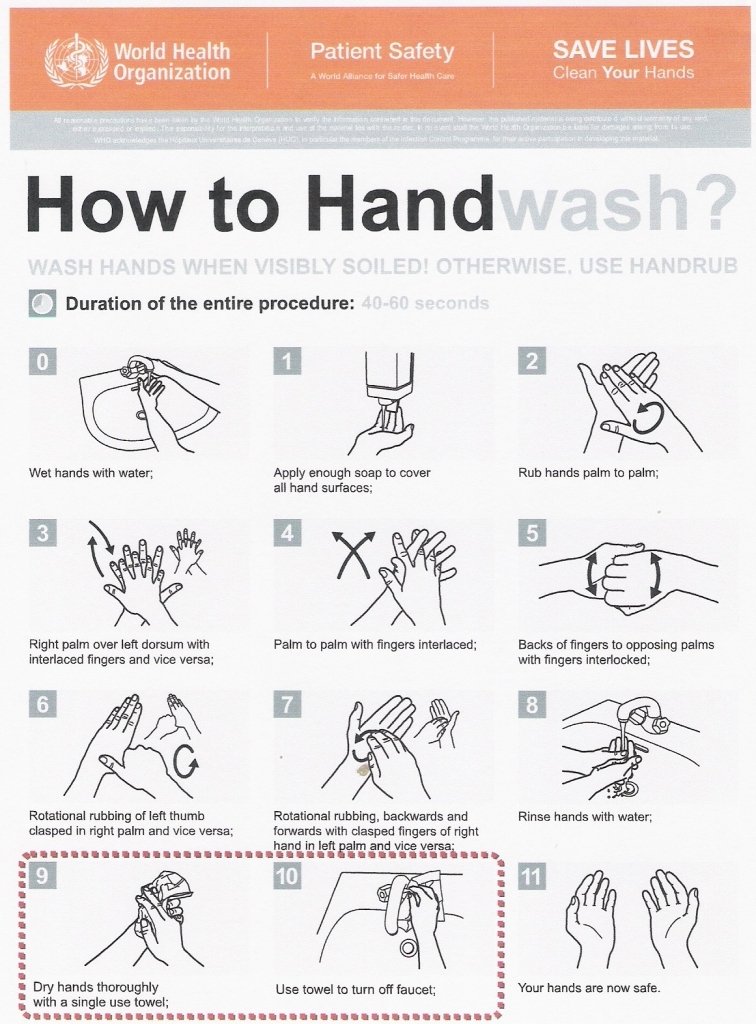
- Wash your hands often with soap and water for at least 20 seconds especially after you have been in a public place, after blowing your nose, coughing, sneezing, or going to the bathroom. Following the proper technique.
- If soap and water are not readily available use a hand sanitizer that contains at least 60% alcohol. Cover all surfaces of your hands and rub them together following the proper technique until they feel dry.
- Avoid touching your eyes, nose and mouth with unwashed hands.
-
Avoid close contact with others
- Avoid close contact with people who are sick.
- Stay at home as much as possible.
- Put distance (at least 6 weeks) between yourself and other people.
- Remember that some people without symptoms may be able to spread the virus. Keeping distance from others is especially important for people who are at higher risk of getting very sick.
-
Cover your mouth and nose with a cloth face cover when around others
- You could spread COVID-19 to others even if you do not feel sick.
- Everyone should wear a cloth face cover when they go out into public, for example to the grocery store or to pick up other necessities. Use good technique in putting on and removing your face covering.
- Cloth face coverings should not be placed on young children under the age 2, anyone who has trouble breathing, or is unconcious, incapacitated or otherwise unable to remove the mask without assistance.
- The cloth face cover is intended to protect other people in case you are infected.
- Do not touch their eyes, nose and mouth hen removing their face covering and wash hand immediately after removing.
- Wash your cloth mask routinely in the washing machine.
- DO NOT use a face mask meant for a healthcare worker.
- The cloth face cover is not a substitute for social distancing.
- You could spread COVID-19 to others even if you do not feel sick.
-
Cover coughs and sneezes
- If you are in a private setting and do not have on your cloth face covering, remember to cover your mouth and nose with a tissue when you cough or sneeze or use the inside of your elbow.
- Throw used tissues in the trash.
- Immediately wash your hands with soap and water for at least 20 seconds. If soap and water are not readily available, clean your hands with a hand sanitizer that contains at least 60% alcohol.
-
Clean and disinfect
- Clean AND disinfect frequently touched surfaces daily. This includes tables, doorknobs, light switches, cell phones, countertops, handles, desks, phones, keyboards, toilets, faucets and sinks.
- If surfaces are dirty, clean them: Use detergent or soap and water prior to disinfection.
- To disinfect: Most common EPA-registered household disinfectants will work. Use disinfectants appropriate for the surface.
- Options include:
- Diluting your household bleach. To make a bleach solution, mix:
- 5 tablespoons (1/3 cup) bleach per gallon of water OR
- 1 teaspoon bleach per cup of water
- Follow the manufacturer's instructions for application and proper ventilation. Check to ensure the product is not past its expiration date. Never mix household bleach with ammonia or any other cleanser. Make fresh bleach solution every day.
- Alcohol solutions
- Ensure the solution has at least 70% alcohol.
- Diluting your household bleach. To make a bleach solution, mix:
- Options include:
Watch for symptoms
Reported illnesses have ranged from mild symptoms to severe illness and death for confirmed coronavirus disease 2019 (COVID-19) cases. These symptoms may appear 2-14 days after exposure.
- Fever
- Cough
- Shortness of Breath
When to Seek Medical Attention
If you develop emergency warning signs for COVID-19 get medical attention immediately. Emergency warning signs include:
- Trouble breathing
- Persistent pain or pressure in the chest
- New confusion or inability to arouse
- Bluish lips or face
*This list is not all-inclusive. Please consult your medical provider for any other symptoms that are severe or concerning.
Links to Guidance on Proper Techniques
- Poster and video on cleaning your hands with soap and water.
- Poster and video on cleaning your hands with hand sanitizer
- Video on Putting on and removing cloth face cover
Equipment and Supplies Checklist
- Hand sanitizer
- Disinfectant and cloth rag or paper towels
- Cloth face cover (not N95 medical or surgical masks)
- Tissues
For a downloadable file of this page, return to the previous page and look under the heading "Safety Information - Downloadable Files".
Thank you to Washington & Northern Orange Counties - Regional Response Command Center for the information.
Source: CDC - https://www.cdc.gov/coronavirus/2019-ncov/prevent-getting-sick/prevention.html, https://www.cdc.gov/coronavirus/2019-ncov/symptoms-testing/symptoms.html