
for Organizations responding to the pandemic
Teach and reinforce healthy hygiene practices.
- Communicate the importance of healthy hygiene practices with staff and volunteers.
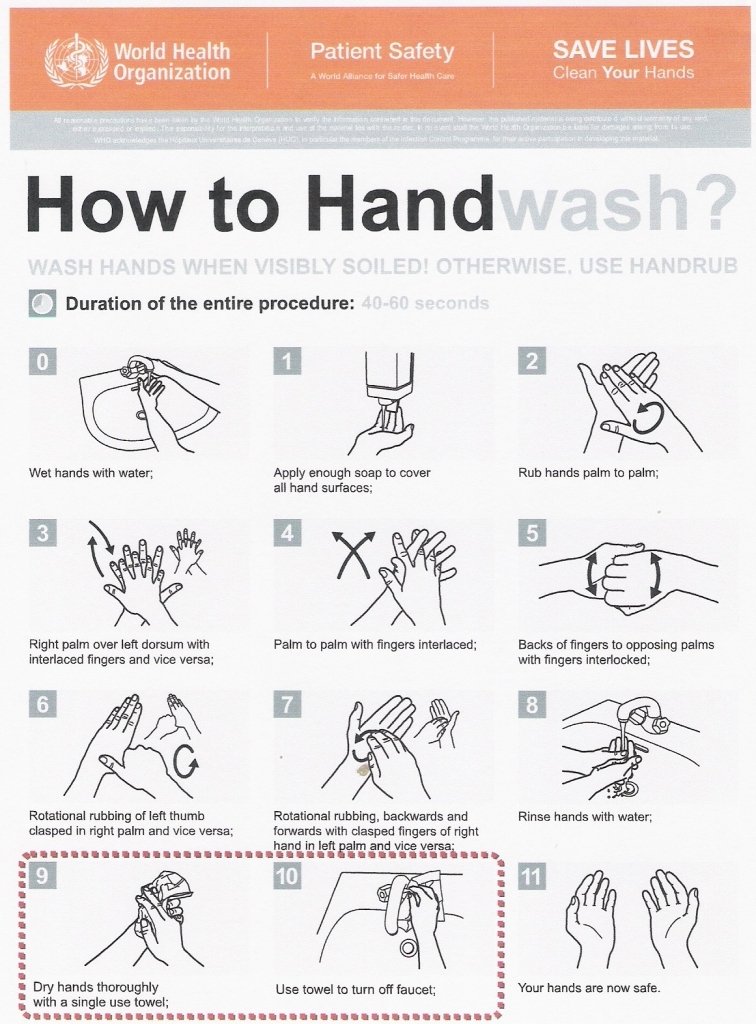
- Wash your hands often, using the correct technique.
- Avoid touching your eyes, nose, and mouth with unwashed hands.
- Wear cloth face covering and follow the correct technique for putting it on and taking it off.
- Stay home when you are sick.
- Cover your cough or sneeze with a tissue, then throw the tissue in the trash.
- Disinfect your cell phone.
- Ensure handwashing strategies include washing with soap and water for at least 20 seconds, especially when entering and leaving the facility; after going to the bathroom; before eating; and after blowing your nose, coughing, or sneezing. If soap and water are not available and hands are not visibly dirty, use an alcohol-based hand sanitizer that contains at least 60% alcohol.
- Ensure adequate supplies to support healthy hygiene practices.
- Encourage staff and volunteers to wear cloth face coverings (not N95 or surgical masks).
Intensify cleaning and disinfection efforts.
- At the beginning, middle and end of each shift all common spaces (including bathrooms), equipment, doors, tools, and vehicles must be cleaned and disinfected. Cleaning and disinfecting also applies to any equipment prior to transfer from one person to another. This may include cleaning objects/surfaces not ordinarily cleaned daily (e.g., doorknobs, light switches, sink handles, countertops, phones). Clean with the cleaners typically used. Use all cleaning products according to the directions on the label. For disinfection, the most common EPA-registered household disinfectants should be effective. Follow the manufacturer’s instructions for all cleaning and disinfection products (e.g., concentration, application method and contact time, etc.).
- Provide EPA-registered disposable wipes so that commonly used surfaces (e.g., keyboards, desks, remote controls) can be wiped down.
- Ensure adequate cleaning and disinfection supplies. An effecting disinfectant is a bleach solution. To make a bleach solution add 1 teaspoon of bleach per cup of water or 4 teaspoons per quart of water. Bleach solutions only remain effective for 24 hours, so a fresh solution must be made each day. Also, make sure the bleach used is in date.
- Wear disposable gloves while cleaning and disinfecting. Follow safe practices when removing gloves. Wash hands before and after glove use.
Require sick staff and volunteers to stay home. Monitor and plan for absenteeism.
- Screen staff and volunteers when entering a facility or beginning work at places other than home for symptoms of fever, cough, and shortness of breath. If it is not possible to take temperatures at the site, require that staff and volunteers take their temperatures at home before reporting to work. If a temperature is above 100 F, DO NOT report for work and immediately notify the organization. Maintain spatial distance during screening.
- Require staff to stay home when sick, even without documentation from healthcare professionals.
- Identify critical job functions and positions, and plan for alternative coverage by cross-training staff to help ensure that essential jobs will be covered if people must miss work.
- Identify jobs that can be performed at home. A system using emailed or telephoned messages to homebound staff and volunteers can be used to relay work assignments.
Establish procedures for persons who are sick at the facility.
- Establish procedures to separate persons who show up sick or become sick at the facility from others, until they can safely leave and/or seek medical care.
- Provide disposable facemasks for persons with respiratory symptoms. It must be worn until they safely leave the facility.
Equipment and Supplies Checklist
- Hand sanitizer
- Disinfectants
- Disinfectant wipes
- Disposable gloves
- Cloth face coverings (not N95 or surgical masks)
- Infrared forehead thermometer
- Soap
- Paper towels
- Tissue
- Trash disposal containers
Educational Material
- Links to PDF files for posters: CDC for Stop the Spread of Germs, Share the Facts about COVID-19, WHO Hand Rub, WHO Hand Washing with Soap & Water – so they can be displayed throughout the facility
- Video from Johns Hopkins on WHO-recommended steps for hand rubbing with hand gel.
- Video from Johns Hopkins on WHO-recommended steps for handwashing with soap and water
- Video on putting on and removal of gloves (from ProTraining)
- Video on the right way to put on and take off cloth face coverings (from National Jewish Health)
Primary Reference – CDC Interim Guidance for Administrators and Leaders of Community- and Faith-Based Organizations to Plan, Prepare, and Respond to Coronavirus Disease 2019 (COVID-19)
For a downloadable file of this page, return to the previous page and look under the heading "Safety Information - Downloadable Files".
Thank you to Washington & Northern Orange Counties - Regional Response Command Center for the information.